
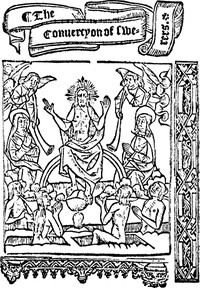
The Conuercyon of swerers by Stephen Hawes
Let's be honest, picking up a 16th-century allegorical poem isn't everyone's idea of a page-turner. But Stephen Hawes's 'The Conuercyon of Swerers' is a fascinating and oddly specific slice of medieval life. Written around 1509, it's less of a story and more of a dramatic argument set to verse.
The Story
The poem opens with the narrator falling asleep and dreaming of a court presided over by Lady Fame. The defendants are all 'swerers'—people guilty of casual blasphemy, false oaths, and lying. Their accuser is the stern Dame Correction, who demands harsh punishment. Enter our hero, a gentle knight named Pity, who steps up to plead for mercy and reform for the swearers instead of damnation. The rest of the poem is essentially this spiritual courtroom debate. Pity argues that with proper teaching and repentance, the swearers can be saved, while Correction insists on strict justice. It's a clash between mercy and law, played out through symbolic characters.
Why You Should Read It
Forget dry history. This book is a personality. You can almost hear Hawes's voice, frustrated and earnest, using his poetry to scold his contemporaries for their loose tongues. It's a direct window into what kept people up at night 500 years ago—not just grand sins, but the everyday habit of swearing. The characters aren't deep, but they're vivid symbols. Pity's compassionate arguments feel surprisingly modern in their emphasis on redemption over punishment. Reading it, you get this clear sense of a society deeply worried about the spiritual weight of words, where how you speak was seen as a direct reflection of your soul's health.
Final Verdict
This isn't a book for a casual beach day. It's perfect for curious readers who love historical deep-dives, early English poetry, or seeing how societal anxieties about language never really change. If you enjoyed the allegorical feel of something like Pilgrim's Progress but want something shorter and focused on a weirder topic, this is your obscure gem. Think of it as a passionate, 500-year-old blog post about manners and morality. It's a quick, challenging, and utterly unique read.
You are viewing a work that belongs to the global public domain. It serves as a testament to our shared literary heritage.
Steven Perez
2 years agoSurprisingly enough, the plot twists are genuinely surprising. I learned so much from this.
Brian Smith
3 months agoI had low expectations initially, however it provides a comprehensive overview perfect for everyone. Worth every second.
Oliver Taylor
2 years agoClear and concise.
Sarah Thompson
4 months agoIf you enjoy this genre, the character development leaves a lasting impact. Highly recommended.



Ava Robinson
1 year agoI started reading out of curiosity and the narrative structure is incredibly compelling. Absolutely essential reading.